In Sawgrass, the House and the Golf Course Are Two Separate Purchases
September 17, 2026
September 17, 2026
Walk any street inside the Sawgrass gates and the pitch writes itself. A fairway runs behind the back fence. A tee box sits close enough that you can hear the thwack of a well struck drive from the porch. The clubhouse turn only shows itself once. Every visual cue says the same thing: this house comes with that course.
It doesn't. Not automatically, and not for free.
That gap between what the property looks like it includes and what the deed actually conveys is the single most common surprise buyers run into once they get serious about a home inside Sawgrass, whether that's a condo near TPC Sawgrass, a single-family lot in Sawgrass Players Club East or West, or a residence tied to Sawgrass Country Club itself. The course, the courts, and the beach club are governed by a membership process that runs entirely apart from the closing table. Understanding how that separation works, and what it costs to close the gap, changes how you budget for the purchase and what you ask for during due diligence.
Sawgrass Players Club is not a single homeowners association. It's sixteen of them. The community is organized into sixteen distinct neighborhoods, each one an independent subassociation with its own governing documents, its own board, and its own management company handling neighborhood-specific rules and maintenance. On top of that, every one of those sixteen neighborhoods also belongs to a Master Association, managed by Marsh Landing Management Company, which sets a separate assessment that every homeowner pays regardless of which subassociation they live in. Those master assessments are set annually, typically each November, by the Master Board and its finance committee.
So before a buyer even gets to the question of golf, there are already two layers of dues to account for: the subassociation fee specific to that pocket of the community, and the master fee that applies community-wide.
Layered on top of both is the third gate, the one most buyers assume comes bundled with the first two: club membership itself, whether at TPC Sawgrass or at Sawgrass Country Club. It doesn't. Both operate as private, member-owned clubs with their own separate application, sponsorship, and vetting process, distinct from any HOA and distinct from the real estate transaction.
| Layer | Mandatory for owners? | Who runs it | What it covers |
|---|---|---|---|
| Subassociation HOA | Yes, if you buy in that neighborhood | Independent board per neighborhood | Local maintenance, neighborhood-specific rules |
| Master Association | Yes, for all Sawgrass Players Club owners | Marsh Landing Management Company | Community-wide assessments, shared governance |
| Club membership (golf, tennis, beach) | No | Sawgrass Country Club or TPC Sawgrass, independently | Golf access, tennis, dining, beach club use |
Sawgrass Country Club traces back to 1974, founded by local developer James Stockton on land that had previously served as a dairy farm and hunting preserve. The original course carried design work from Ed Seay and Arnold Palmer, and it went through a significant renovation in 2006 overseen by Pete Dye. That pedigree is part of why the club still ranks among the more recognized private clubs in the region.
None of that history changes how you get in. Membership today runs through a formal application, and categories are structured around life stage rather than address: a family membership extends privileges to a member's spouse and unmarried children under 25, while a young executive category is open to applicants between 23 and 39 at reduced dues. Address isn't one of the qualifying criteria in either category.
The clearest evidence that membership and homeownership are separate pools comes from the club's own reported membership makeup. By the club's own account, roughly a third of its members live in Ponte Vedra Beach or the surrounding area outside Sawgrass entirely, and about a fifth maintain their primary or second home somewhere else in the country. In other words, a meaningful share of the people using that course every week don't live behind the gates at all, while some owners who do live behind the gates have never joined.
TPC Sawgrass works the same way on the ownership side. Living near the Stadium Course, including in neighborhoods built directly around it, does not include golf or social membership. Access is separate, and it isn't guaranteed just because you hold title nearby.
Published figures for Sawgrass Country Club membership put the initiation fee in a range of roughly $50,000 to $75,000, with annual dues running somewhere between $5,000 and $10,000, depending on the membership category chosen. Those are the club's own published ranges as of 2026, and they move with category, so a family membership and a young executive membership won't land at the same number. Anyone weighing a purchase inside Sawgrass with the intent of joining should confirm current figures directly with the club rather than budgeting off a range.
It helps to see that range against a nearby community that handles the same question differently. Plantation at Ponte Vedra, a separate gated club community also located in Ponte Vedra Beach, bundles club membership into the purchase itself. Its published 2026 fee sheet sets initiation at $120,000 starting March 1 of this year, with monthly dues of $2,022, or $2,307 for Garden Homes, and that fee covers unlimited golf, fitness, tennis, and beach access as part of ownership. Buy a home there and the club comes with it. Buy a home in Sawgrass and it doesn't.
That difference matters most at the edges of the price range. As of September 2026, homes across Sawgrass span roughly from the low $400s to near $2.8 million, covering everything from ground-floor condos to estate-level single-family homes. On a $450,000 purchase, a $50,000 to $75,000 club initiation fee is not a rounding error. It's a second, unfinanced obligation that can run into six figures once you add a few years of dues. On a $2.5 million purchase, the same fee barely moves the percentage. The club cost doesn't scale with the home price, which means it hits harder on the entry end of the market than the top end, and it should be budgeted as its own line item rather than folded into a general sense of "closing costs."
Because most Sawgrass Players Club properties sit inside both a subassociation and the Master Association, due diligence means requesting two sets of governing documents instead of one. That includes both boards' operating budgets, both reserve fund statements, and any record of planned special assessments, whether for a roof on a shared building, a pool resurfacing, or infrastructure work funded through a community development district assessment on the property tax bill.
A few things worth confirming before you're under contract:
None of this is unusual for a large, amenity-rich gated community. It just means the paperwork is doubled compared to a single-HOA neighborhood, and lenders reviewing the file will want documentation from both associations before closing.
The difference between Sawgrass and a bundled community like Plantation isn't an accident of paperwork. It reflects two different ways of financing a private club. A bundled model prices the entire club into every home sale, guaranteeing the club a captive membership base and predictable revenue regardless of who's actually playing golf that season. A member-owned, opt-in model like Sawgrass Country Club or TPC Sawgrass lets the real estate market and the club market clear on their own terms. Homeowners who never intend to golf aren't forced to subsidize a clubhouse renovation through their mortgage payment, and the club sets its own price based on demand from members who actually want in, including the third of Sawgrass Country Club's roster who don't live in Sawgrass at all.
That structure is why the assumption trips up so many buyers. Most people shopping gated golf communities in Florida have encountered the bundled version somewhere along the way, where the fairway view and the tee time really do arrive in the same transaction. Sawgrass isn't built that way, and neither is TPC Sawgrass. Treating them as if they were is the mistake, not a flaw in how either community operates.
Does buying a home near TPC Sawgrass include a golf membership? No. Ownership and club membership are entirely separate processes, and membership requires its own application regardless of where you live.
Are HOA dues and club dues the same thing? No. HOA dues, split between your subassociation and the Master Association, fund neighborhood upkeep and community-wide governance. Club dues, paid separately to Sawgrass Country Club or TPC Sawgrass, fund golf, tennis, dining, and beach club access.
Do I have to join the club to live in Sawgrass? No. Many owners never join, and conversely, a substantial share of Sawgrass Country Club's own members live outside the community entirely.
Does the Players Championship each March affect residents? Tournament week around the Stadium Course typically brings more traffic, temporary structures, and road changes to the surrounding area. Specifics vary year to year, so check current HOA notices as the date approaches.
If you're weighing a purchase inside the Sawgrass gates and want a clearer picture of which of these gates applies to a specific address, The Connolly Team can walk through the subassociation, the Master Association, and the club process together, so the number you budget for closing is the number you actually need.
Stay up to date on the latest real estate trends.

Why Ponte Vedra Beach for Retirees Is One of Florida's Top Destinations.

A Local's Guide to the Most Relaxing and Healing Activities in Ponte Vedra Beach, Florida.
Clever Small Space Interior Design Tips for Compact Beach Homes.
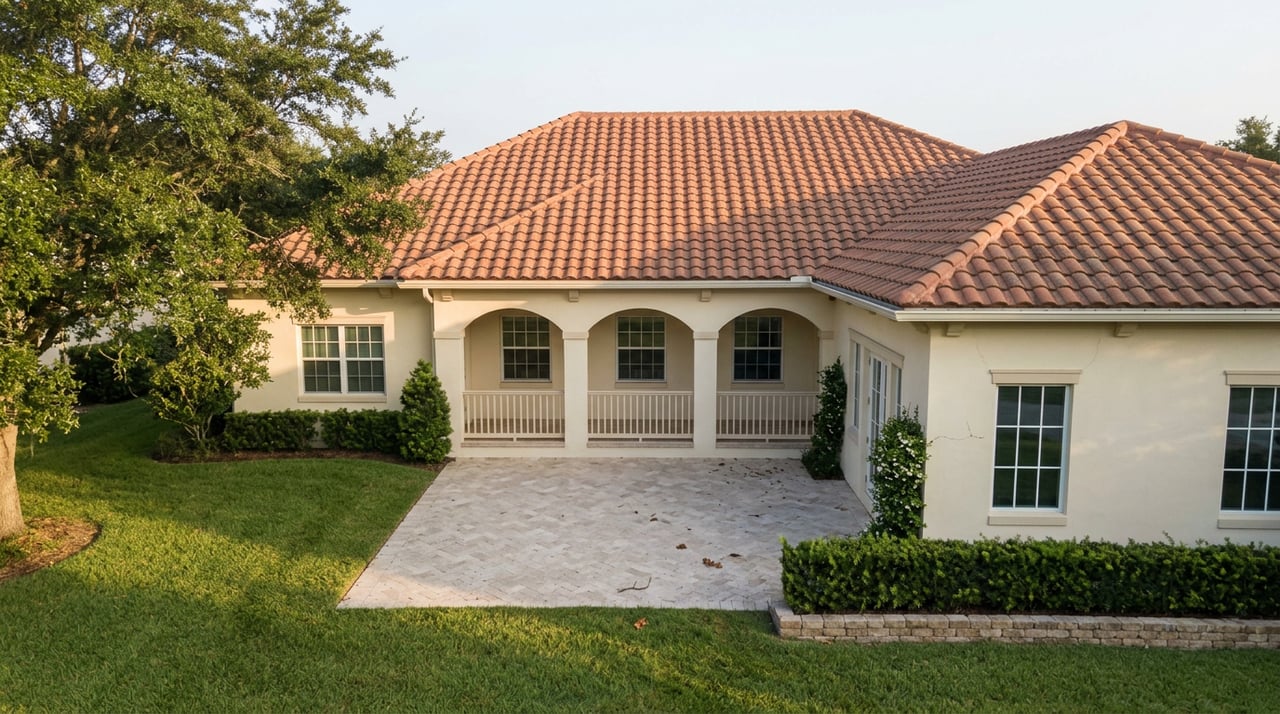

A Guide to the Finest Gated Communities in Ponte Vedra Beach, Florida.
With a strong work ethic ingrained from a young age, Rory, alongside his experienced mother, Suzie Connolly, at Ponte Vedra Club Realty, is dedicated to helping you find your perfect home. His background in finance adds a strategic edge to the process. Join Rory in building a thriving community, let's make your dream home a reality!