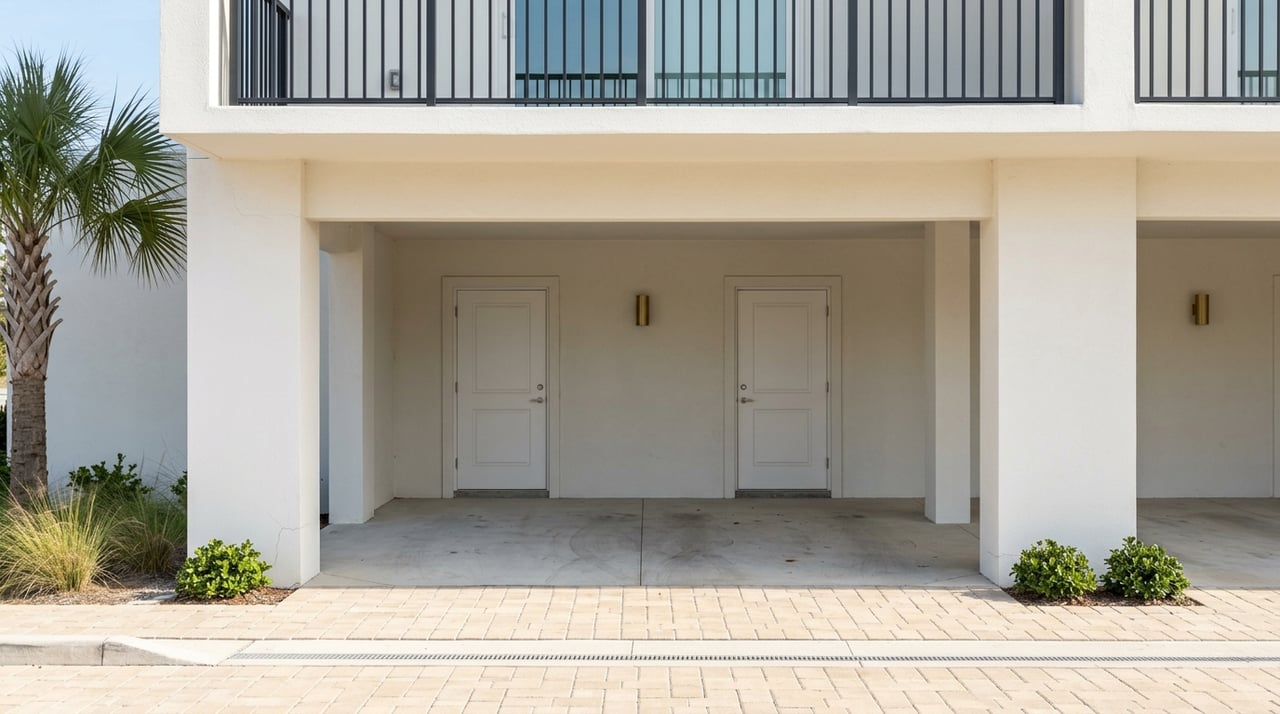
Jacksonville Beach Condo Or House? How To Decide
July 23, 2026
July 23, 2026
If you are trying to choose between a condo and a house in Jacksonville Beach, you are not just picking a property type. You are choosing how you want to live near the coast, how much maintenance you want to handle, and how much control you want over day-to-day details like parking, storage, and expenses. In a beach market where access, convenience, and ongoing ownership costs all matter, the right fit often comes down to your lifestyle as much as your budget. Let’s dive in.
Jacksonville Beach has a coastal layout that makes location and ownership style especially important. The beach runs east of 1st Street for the full length of the city, and 3rd Street serves as the main north-south corridor and State Road A1A. The city also publishes beach-access maps and public-bathroom locations, which shows how central easy beach access is to everyday life here.
The local numbers also show a real difference between property types. In the 32250 ZIP, homes sold at a median of $677,299 over the last three months and took about 70 days to sell. At the same time, the condo market showed 90 condos for sale at a median listing price of $540,000.
That price gap can make condos look like the easier entry point into Jacksonville Beach. But your monthly costs, maintenance responsibilities, parking setup, and long-term flexibility may look very different from one property to the next. That is why it helps to compare both options side by side before you decide.
For many buyers, the biggest reason to choose a condo is the lifestyle. If you want to spend more time enjoying the beach and less time managing exterior work, a condo can be a strong fit. Condos often appeal to buyers who want a lock-and-leave setup, less yard work, and shared upkeep of building systems and common areas.
In Florida, the condominium association operates the condominium and is responsible for maintenance, repair, and replacement of the property it must handle under the declaration. Florida law also places maintenance of common elements on the association, except for limited common elements assigned to the unit owner. That structure can make condo ownership feel more streamlined than owning a detached home.
This setup can be especially attractive if you travel often, split time between homes, or simply want fewer day-to-day tasks. Shared amenities and building services also tend to fit more naturally into the condo model. If convenience and proximity are high on your list, a condo may check a lot of boxes.
A simpler lifestyle does not mean fewer questions. In Jacksonville Beach, condo buyers should look closely at the association’s financial and maintenance picture before making an offer.
Key questions to ask include:
Florida now requires many larger residential condominium associations in buildings three habitable stories or higher to complete a structural integrity reserve study at least every 10 years. Because reserve funding, loans, and special assessments can be tied to those studies, condo ownership can bring more fee volatility than some buyers expect.
If privacy, outdoor space, and direct control matter most to you, a house may be the better match. Detached homes usually offer more flexibility for driveways, garages, and outdoor storage. You may also have more freedom in how you use and maintain your space, depending on the property and community.
That extra control often comes with extra responsibility. With a house, you are usually taking on more of the maintenance burden and cost yourself. That can include exterior upkeep, landscaping, storm prep, and repairs that a condo association might otherwise handle in a shared setting.
For many Jacksonville Beach buyers, that tradeoff is worth it. If you want room for beach gear, bikes, guests, or a larger outdoor living setup, a house can give you options that are harder to find in a condo building.
One common mistake is assuming a house means no association at all. In Florida, a parcel-based community can still be governed by a homeowners’ association, along with recorded documents, rules, and assessments. That means a Jacksonville Beach house may still come with HOA dues, architectural controls, or shared-maintenance obligations.
The answer depends on the specific community documents. If you are considering a house, make sure you review whether there is an HOA, what the dues cover, and whether there are any restrictions that affect how you plan to use the property.
In Jacksonville Beach, parking is not a small detail. The city operates a seasonal paid-parking program in beach and downtown areas, and in 2026 the paid-parking season runs from March 6 through November 1. Paid hours are concentrated on weekends, special events, and select holidays, although residents can register their license plates to park for free in paid lots.
That local setup makes parking and storage a bigger part of the condo-versus-house decision than many buyers first expect. If you plan to live near the beach full time, host guests, or keep multiple vehicles, you will want to understand exactly how parking works before you commit.
With a condo, a parking space or storage area may be deeded, assigned, or treated as a limited common element depending on the declaration. With a house, you may have more flexibility, but you should still confirm the actual driveway, garage, and storage situation at the property itself.
Jacksonville Beach is a coastal-risk market, so flood and storm planning should be part of your decision no matter which property type you prefer. The city’s flood information points buyers to flood zone, base flood elevation, and Flood Insurance Rate Map details. Those details can affect insurance, monthly costs, and your long-term comfort with the property.
For house buyers, flood zone, insurance, and storm-hardening costs are some of the biggest practical questions. For condo buyers, you still need to understand the property’s exposure and insurance structure, along with the association’s financial readiness. In both cases, coastal due diligence is not optional.
A good rule of thumb is simple: if you are buying near the beach, ask more questions than you think you need to. The right home is not just the one you love on showing day. It is also the one whose ongoing costs and responsibilities fit your life over time.
The easiest way to decide is to focus on what matters most to you day after day. In Jacksonville Beach, this often comes down to whether you want to own more responsibility directly or share more of it through an association.
Here is a simple way to think about it:
| If you value this most | Condo may fit better | House may fit better |
|---|---|---|
| Day-to-day maintenance | Yes | Not usually |
| Private control | Less | More |
| Yard or outdoor space | Less | More |
| Shared amenities or services | More common | Less common |
| Parking and storage flexibility | Varies by building | Often better |
| Fee predictability | Varies by association | Varies, but fewer shared building costs |
If your priority is beach proximity, lower day-to-day maintenance, and shared responsibility for exterior and common areas, a condo may be the better fit. If your priority is privacy, parking, storage, outdoor space, and direct control, a house may be the stronger choice.
No matter which path you are leaning toward, a few local questions can help you avoid surprises.
For a condo, ask:
For a house, ask:
These questions may not be the most exciting part of home shopping, but they are often the ones that shape your ownership experience the most.
If you are still torn, picture a normal week instead of a perfect weekend. Think about where you will park, where you will store bikes and beach gear, how often you want to handle maintenance, and how comfortable you are with shared decision-making through an association. Those practical details usually point you in the right direction.
In Jacksonville Beach, there is no universal winner between a condo and a house. The better choice is the one that fits your routine, your budget, and your comfort with coastal ownership. When you match the property type to how you actually want to live, the decision becomes much clearer.
If you want help comparing Jacksonville Beach condos and houses block by block, the local details really matter. Suzie & Rory Connolly can help you weigh beach access, parking, flood considerations, property costs, and lifestyle fit so you can move forward with confidence.
Stay up to date on the latest real estate trends.

Where To Take The Kids For A Day Outdoors Near Ponte Vedra Beach.

Home Office Design Ideas For Your Atlantic Beach, FL Home.

Buying A Luxury Home In Ponte Vedra Beach, Florida: A Buyer's Overview.

Where To Find Great Beach Day Within A Short Drive Of Ponte Vedra Beach, FL.
With a strong work ethic ingrained from a young age, Rory, alongside his experienced mother, Suzie Connolly, at Ponte Vedra Club Realty, is dedicated to helping you find your perfect home. His background in finance adds a strategic edge to the process. Join Rory in building a thriving community, let's make your dream home a reality!